
Invest in livelihoods of farming families
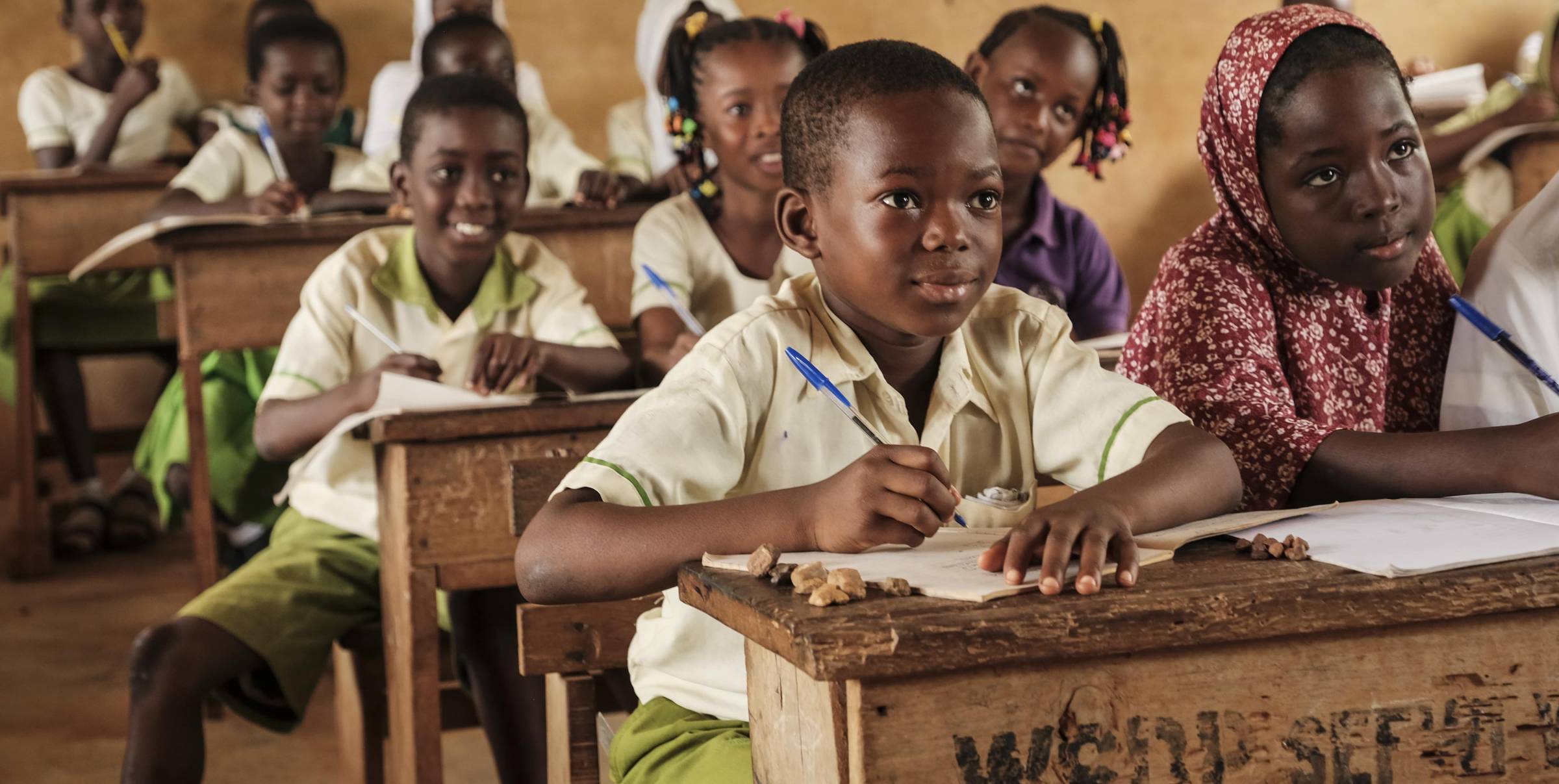
Through the Lindt & Sprüngli Farming Program, we aim to contribute to the economic resilience of farming households, address child labor risks and support farming communities to promote children’s rights.

Support farming communities to promote children’s rights
Our commitments
We aim to maintain 100% of our cocoa volume from child labor risk countries as covered by a Child Labor Monitoring and Remediation System (CLMRS) or another due diligence system that is being rolled out or is implemented, with Mass Balance included, annually between 2026 and 2030.
We aim to support 300 program communities with a community development program designed to reduce child labor risks by 2030.

Our approach
Lindt & Sprüngli strongly condemns all forms of child labor. In agricultural value chains, especially in the cocoa sector in West African countries, child labor remains a persistent and complex challenge. It is driven by systemic factors including farming households poverty, high labor costs of cocoa production, limited access to education, weak enforcement of regulations, and different social norms.
Our approach to addressing child labor risks depends on the supply chain and the country context. For farmers registered in the Lindt & Sprüngli Farming Program in high-risk countries, we support the implementation of a Child Labor Monitoring & Remediation System (CLMRS) as a foundational due diligence tool to address child labor risks.
A CLMRS aims to identify children in, or at risk of child labor, to provide ongoing guidance, and to support improving their situation and to follow their progress over time. The CLMRS is implemented by our suppliers. If the CLMRS approach is deemed unsuitable, alternative systems or strategies to address child labor are developed and implemented, according to the local context. For farmers not registered in the Farming Program, we rely on the requirements of, and verification through, the Rainforest Alliance certification. Since child labor is a systemic issue, it cannot be solved on a broader scale solely by engaging individual households and supporting individual children in the supply chain. For this reason, we complement the CLMRS with prevention strategies at a community level, collective action and with efforts to strengthen public child protection systems. These efforts aim to address root causes of child labor, while aligning with and supporting public child protection systems.
In 2025, 100% of our cocoa volume from child labor risk countries was covered by a Child Labour Monitoring and Remediation System or other due diligence system that is being rolled out or is already implemented, with Mass Balance included.


Contribute to the economic resilience of farming households
Our commitment
We aim to implement a Living Income Program to support 5,000 cocoa farmers in West Africa by 2027.

Our approach
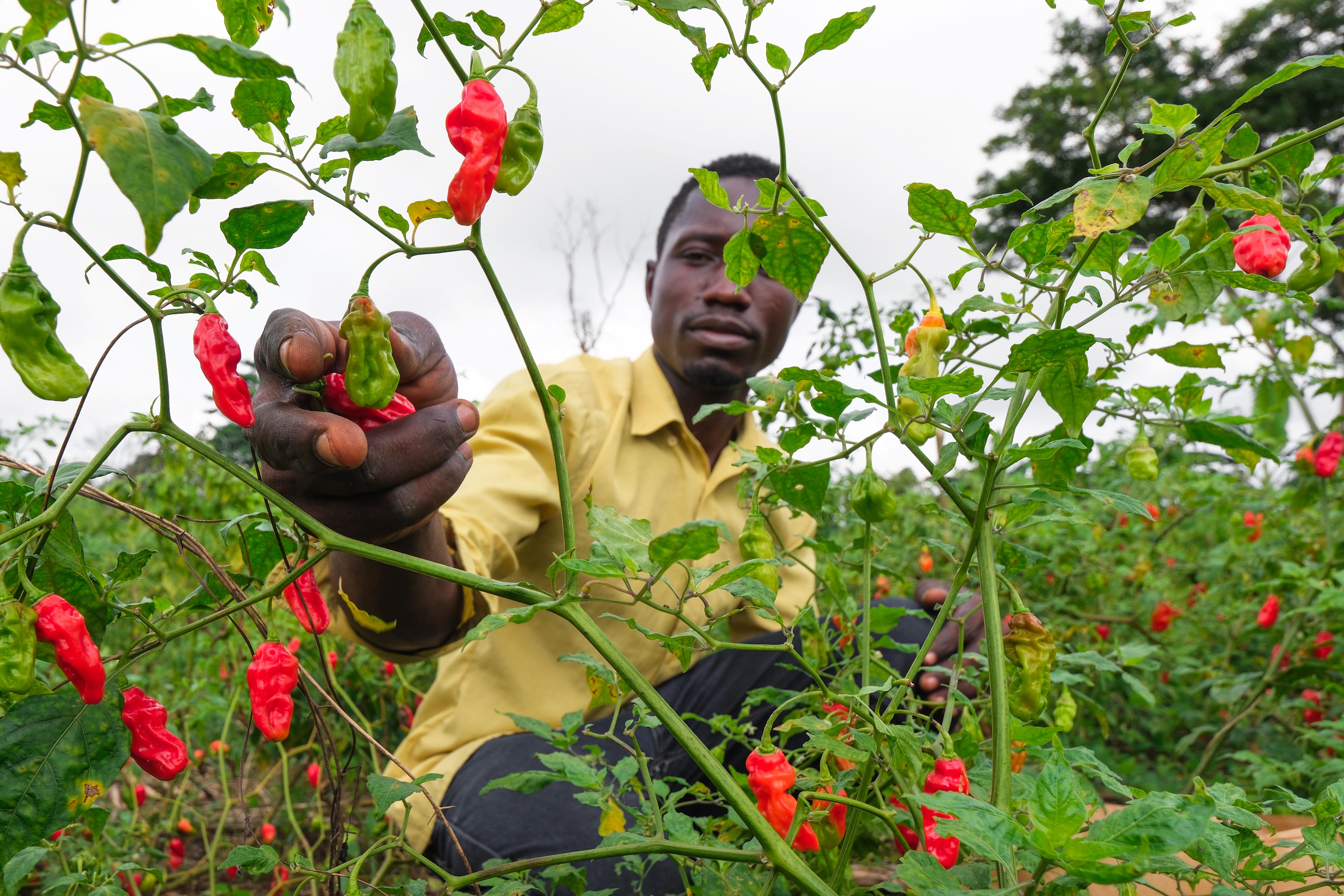
Poverty among cocoa households is one of the underlying root causes of the cocoa sector’s challenges. At Lindt & Sprüngli, we believe that cocoa farmers deserve to earn an income that is sufficient to support a decent standard of living.
The Lindt & Sprüngli Farming Program strives to contribute to building resilient livelihoods for farmers, their families, and farming communities. Our goal is to help improve the income situation of the farmers in our cocoa value chain. We aim to address this issue through a combination of measures, focused on increasing farm productivity and resilience, and supporting income diversification and community investment.
Building upon the experience we have gained since the introduction of the Farming Program in 2008, we are piloting a Living Income Program aimed at helping to close the income gap toward a living income for cocoa farming households. The basis of this is multi-year support of selected farmer groups. To foster farm investment in productivity and resilience, we finance the direct provision of cash transfers to cocoa farming households. The financial incentives as part of the Living Income Program are structured to enable Good Farming Practices such as pruning cocoa trees to improve yields and to foster children’s school attendance.
Access the Farming Program 2026-2030 document for more information on our approach and core initiatives to support cocoa excellence.